
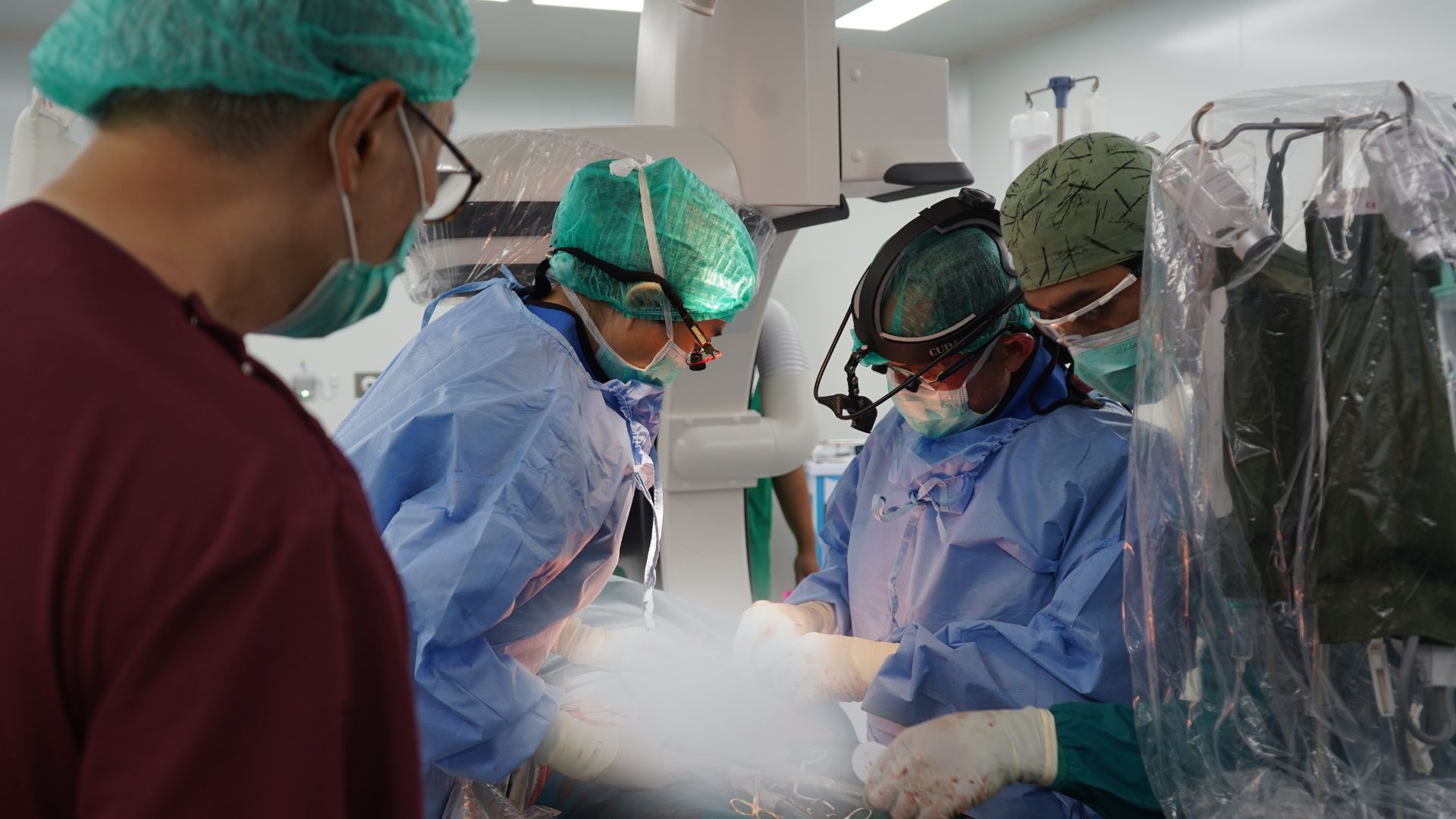
What is TAVI/TAVR?
Transcatheter Aortic Valve Implantation (TAVI) or Transcatheter Aortic Valve Replacement (TAVR) is a minimally invasive medical procedure to replace a damaged or narrowed aortic valve (aortic stenosis).
The aortic valve is an important structure in the heart that controls blood flow from the heart to the rest of the body. When this valve does not function properly, the heart has to work harder, which can cause symptoms such as shortness of breath, chest pain, and fatigue, and may lead to heart failure.
The TAVI/TAVR procedure allows for the implantation of a new aortic valve without the need for open-heart surgery. This technology is the preferred option for high-risk patients or those who cannot undergo conventional surgery.
Indications
TAVI/TAVR is recommended for patients with the following conditions:
Severe Aortic Stenosis: When the aortic valve narrows, obstructing blood flow from the heart.
High-Risk Patients for Surgery: Elderly patients or those with certain medical conditions that make open heart surgery too risky.
Patients with Severe Symptoms: Such as shortness of breath, chest pain, fainting, or decreased physical ability due to aortic stenosis.
Heart Failure: In patients with aortic stenosis that worsens their heart condition.
TAVI Procedure
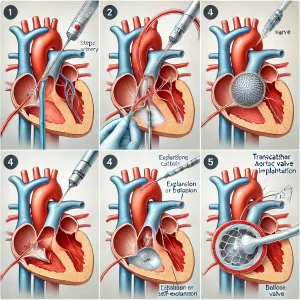
1. Preparation:
Patients will undergo a thorough examination, including a CT scan, echocardiogram, and laboratory tests to determine their suitability for the procedure.
In this case, anesthesia is administered as needed.
2. Catheter Placement:
The doctor inserts a small catheter through a blood vessel in the thigh (transfemoral) or through the chest (transapical/transaortic).
This catheter carries a folded artificial aortic valve.
3. Valve Replacement:
The artificial valve is positioned inside the damaged aorta.
Once in place, the new valve is expanded using a balloon or expands automatically.
The artificial valve immediately begins to work to regulate blood flow.
4. Final Examination:
The doctor ensures that the new valve is functioning properly before ending the procedure.
The catheter is then removed.
This procedure usually takes 1-2 hours.
Recovery Process
After the TAVI/TAVR procedure, patients will undergo the following treatment and recovery:
Hospital Care:
Patients undergo treatment in the intensive care unit for 24-48 hours for monitoring.
In this case, heart function and vital signs are closely monitored.
Recovery:
Most patients can resume light activities within a few days to weeks after the procedure.
Recovery time is usually shorter than with open heart surgery.
Treatment and Follow-up:
Your doctor may prescribe anticoagulant medication to prevent blood clots.
Regular follow-up visits are necessary to ensure that the new valve is functioning properly.
Lifestyle Changes:
Patients are advised to maintain a healthy diet, quit smoking, and exercise regularly.
Avoid strenuous activity until your doctor gives you permission.
TAVI/TAVR has been proven to improve quality of life and reduce symptoms in patients with severe aortic stenosis. This technology offers a safe and effective solution, especially for those who cannot undergo open heart surgery.
Success at Altius Hospitals
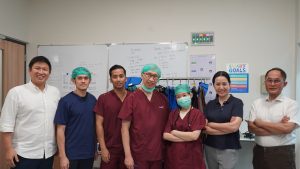
Altius Hospitals has achieved a major milestone by successfully performing its first TAVI/TAVR procedure in Harapan Indah, Bekasi, West Java. This achievement was led by cardiologist Dr. Antono Sutandar, SpJP (K) and his team, marking a step forward in cardiovascular healthcare in the region and offering new hope to patients and families dealing with complex heart disease diagnoses.
With an experienced medical team and the latest technology, Altius Hospitals is a pioneer in providing innovative solutions for patients who need minimally invasive cardiac care.